A detailed evaluation of Atmosic and Nordic nRF54H20 pre-release chips, analyzing peripherals, radio performance, and SDK maturity
AtmosicNordic SemiconductorEmbeddedBenchmarking

A detailed evaluation of Atmosic and Nordic nRF54H20 pre-release chips, analyzing peripherals, radio performance, and SDK maturity
Next-Generation Chip Evaluation (Atmosic & nRF54H20) was a comprehensive technical assessment project performed for a U.S.-based partner exploring new wireless MCU platforms.
We evaluated pre-release chips from Atmosic and Nordic Semiconductor (nRF54H20), focusing on performance, stability, and SDK readiness.
Testing involved detailed peripheral benchmarking — I2C, SPI, GPIO — under various operating conditions to verify functionality and timing accuracy.
We also conducted radio analysis using both Enhanced ShockBurst (ESB) and Bluetooth Low Energy (BLE) to assess throughput, range, and reliability.
By combining quantitative measurement and SDK feedback, we provided actionable insights to improve future firmware and hardware integration.
Adopting new wireless microcontrollers can be challenging due to immature SDKs, undocumented behaviors, and unverified performance claims:
Without real-world validation, developers risk integration delays and inefficient hardware adoption.
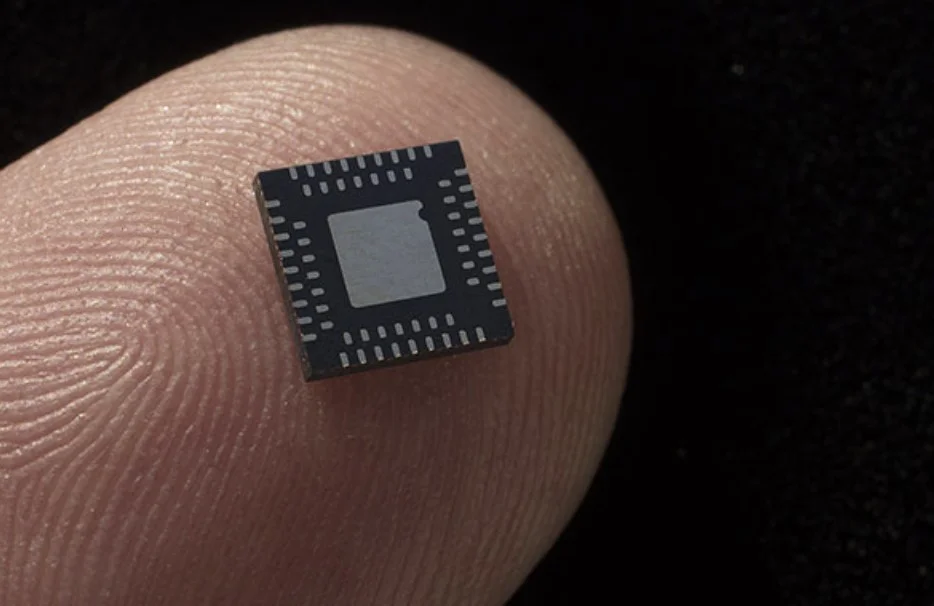
We conducted a full-spectrum evaluation of Atmosic and Nordic nRF54H20 chips, validating both hardware peripherals and radio subsystems using the latest vendor SDKs.
This process ensured an evidence-based understanding of early silicon performance and SDK reliability.
Results?
Verified performance, optimized configurations, and clear guidance for commercial deployment
Early insight. Smarter integration. Faster product readiness.
Testing validated stable peripheral operation and consistent BLE performance while revealing areas for SDK optimization.
This confirmed that next-generation MCUs from Atmosic and Nordic are ready for integration with continued firmware refinement.
